|
 |
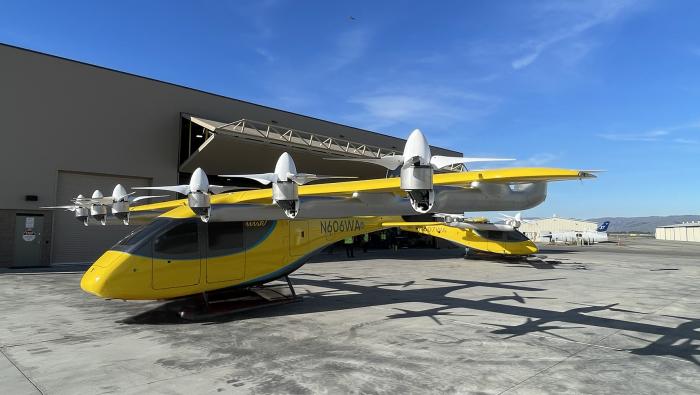 Across the U.S. this year, electric, hybrid-electric, and autonomous aircraft will begin flying commercial cargo and medical missions under a federal pilot program—before the aircraft involved have received type certificates, and before the rules that will eventually govern them have been fully written. That is the defining feature of the FAA’s eVTOL Integration Pilot Program, a White House initiative that recently selected eight state-led projects to bring the nation’s advanced air mobility ecosystem to fruition. |
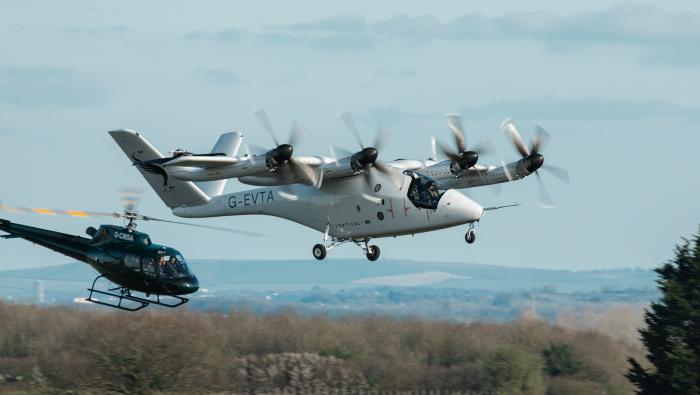 Vertical Aerospace just notched a flight-testing milestone with a full-scale prototype of its eVTOL aircraft. On April 6, the UK-based company announced that it had completed a piloted transition flight, meaning the aircraft took off vertically like a helicopter and then accelerated horizontally until it transitioned into fully wingborne cruise flight. |
 |
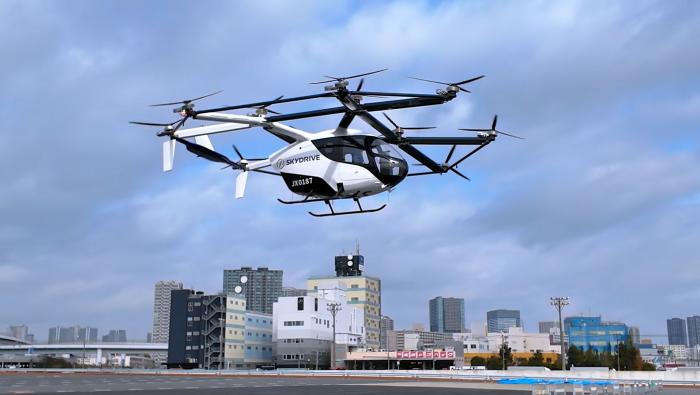 Japan's Ministry of Land, Infrastructure, Transport and Tourism has revised its advanced air mobility roadmap. Commercial passenger services on eVTOL aircraft are expected to begin in select regions by 2027 or 2028. The plan then calls for the introduction of autonomous passenger transport and more advanced traffic management systems in the early 2030s, followed by broader integration of AAM into urban transportation networks in the 2040s. |
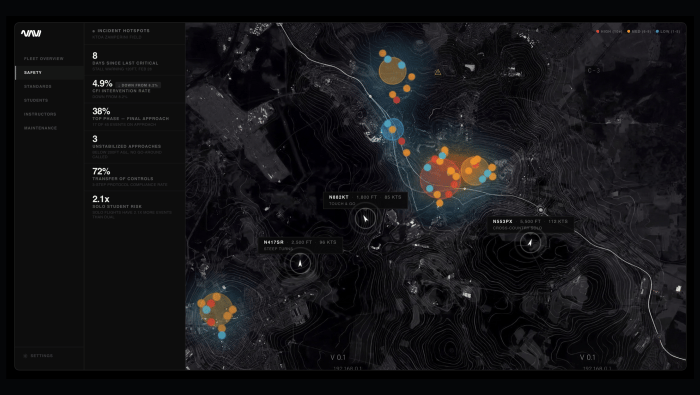 Flight training organizations looking to improve the effectiveness of debriefing sessions are exploring how artificial intelligence can help. California-based start-up Navi AI is now trialing the use of a generative AI system that it says will help flight instructors and their students focus on all important points from training flights. |
 |
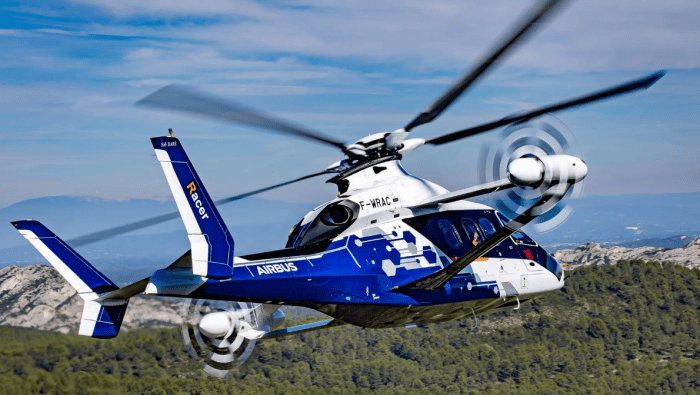 Airbus’ Racer helicopter is continuing to expand its flight-test envelope, with the high-speed demonstrator having logged more than 50 flight hours to date. During recent elements of this campaign, the experimental aircraft conducted new missions, including landing on uneven terrain, achieving an elevated rate of climb, and performing sharp 2-g turns. |
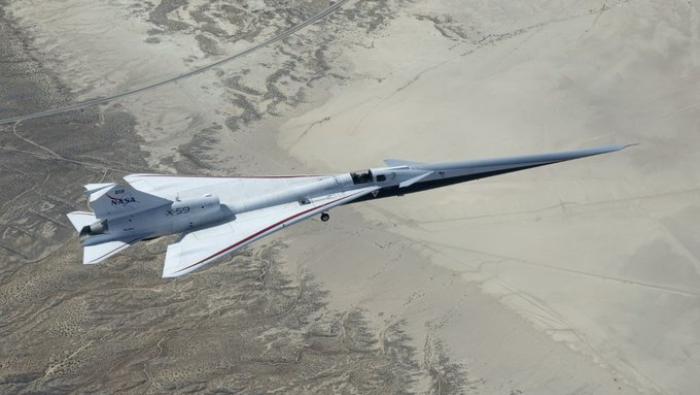 NASA’s flight test program for its X-59 supersonic demonstrator has begun to pick up steam, now prepping for a fifth flight this week that will reach altitudes up to 32,000 feet and speeds of up to 275 keas. This momentum follows a March 20 second flight of the Mach 1.4 aircraft that lasted just nine minutes, cut short after a vehicle system warning light illuminated. |
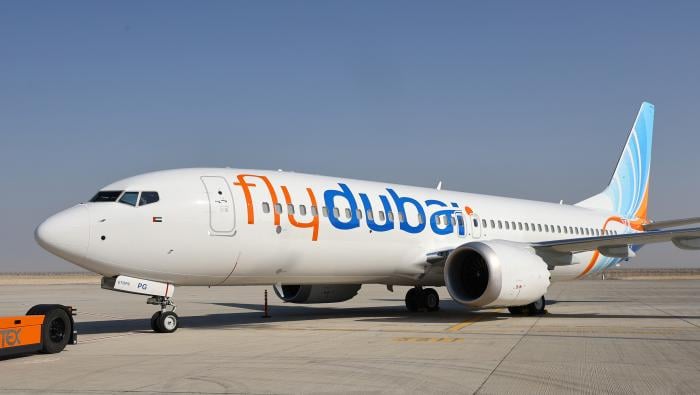 Airbus is working with powertrain specialist Drive System Design on new efforts to decarbonize aircraft taxiing operations using electric propulsion to partly replace the main engines. The Project Sonata work is supported by the UK’s Aerospace Technology Institute and is targeting a 47% reduction in emissions for airport ground movements. |
|
|
|
 April 14 - 16, 2026